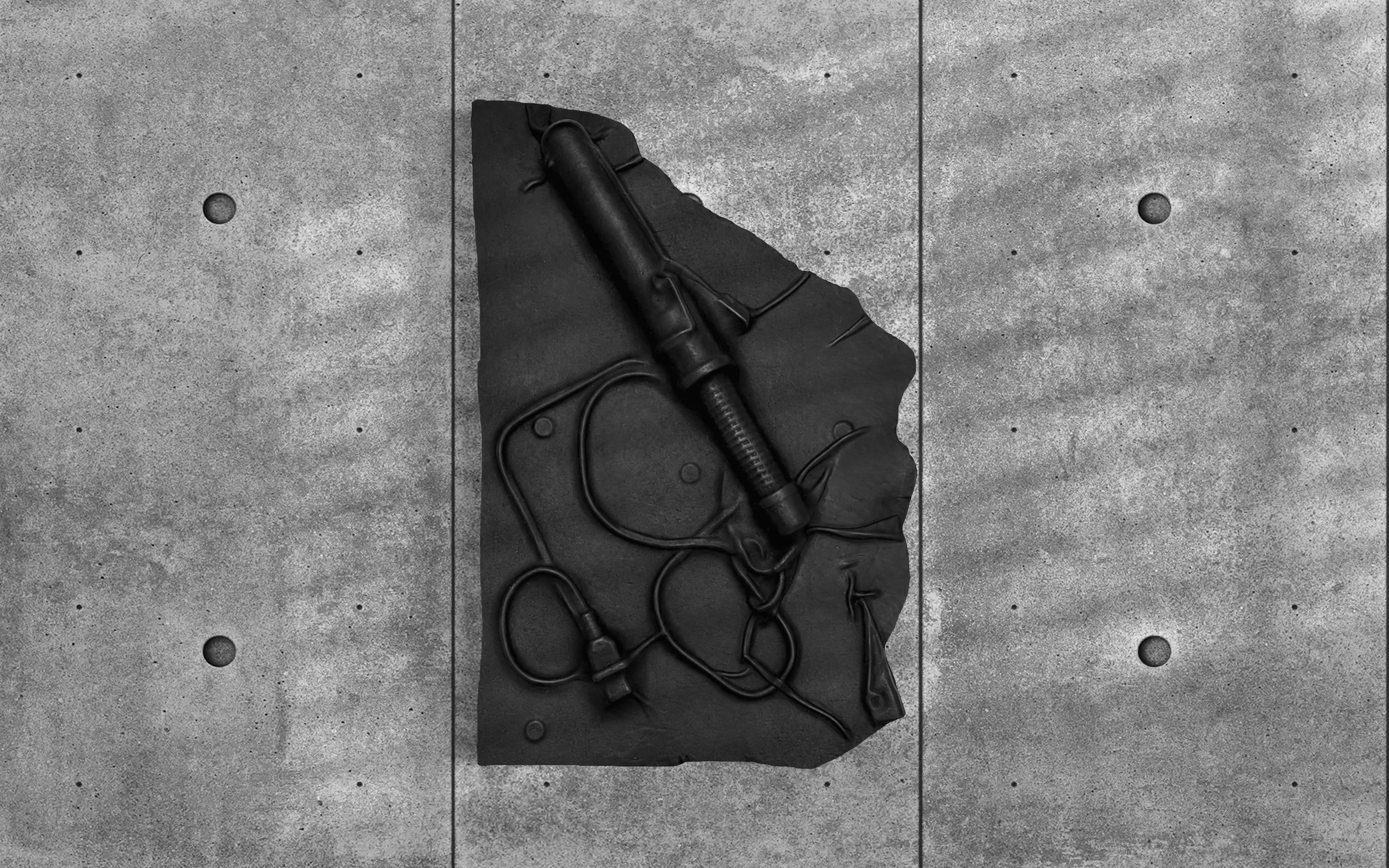
Not the leather. Not the studio. Her. A jar of grease I carried back to Chicago in my bag because I couldn't leave it behind, because smell is the one sense that doesn't ask permission, and I needed her close.
My grandmother was a hairdresser. She worked the same chair, in the same neighborhood salon, for most of her life. When I was young, that shop was where I went after school. I watched her press grease onto the back of her hand with two fingers before applying it… a gesture so practiced it had become ritual. Her hands repeated the same motions for decades… combing, pressing, curling, clipping, parting. The tools became extensions of her body.
I felt that same hot comb catch the back of my ear more than once. I wore the hairstyles she gave me until I was old enough to decide for myself.
Her booth divider was a shrine. Nearly a hundred photographs pinned in layers… faces of family, decades of clients, a whole life made visible. Most of them were of me.
JOE ELLA’S STORY
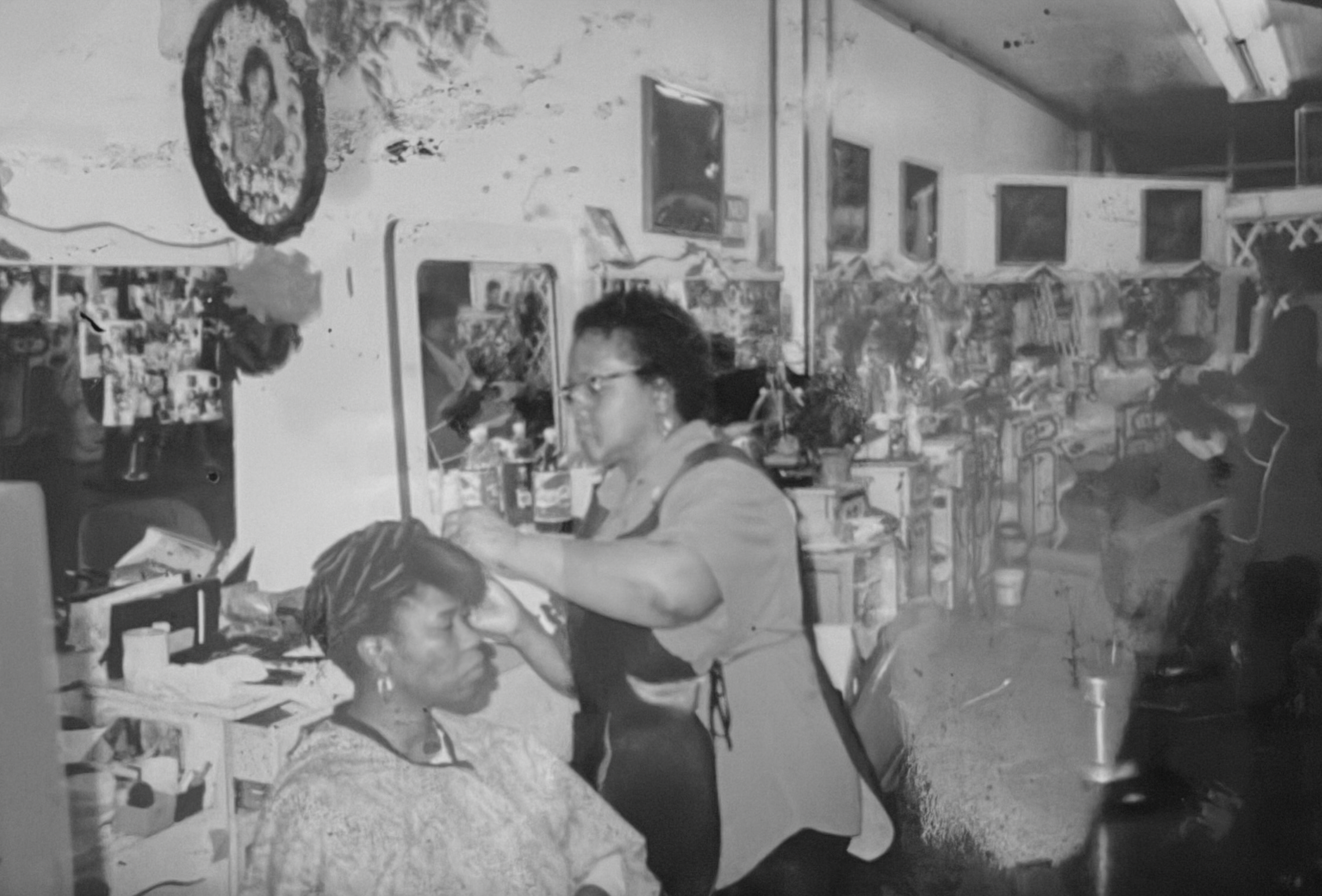
She loved what she did. And she did it until her body refused.
Her right hand began to drift off center. She kept working. She dropped the curling iron sometimes. She kept working. When she could no longer stand without support, she pushed a shopping cart from the door to her station and used it to hold herself upright. She became the oldest person in the salon. Her clients were dying, she told me that plainly, the way she said most true things… and she kept showing up for the ones who remained.
She worked until she literally could not walk.
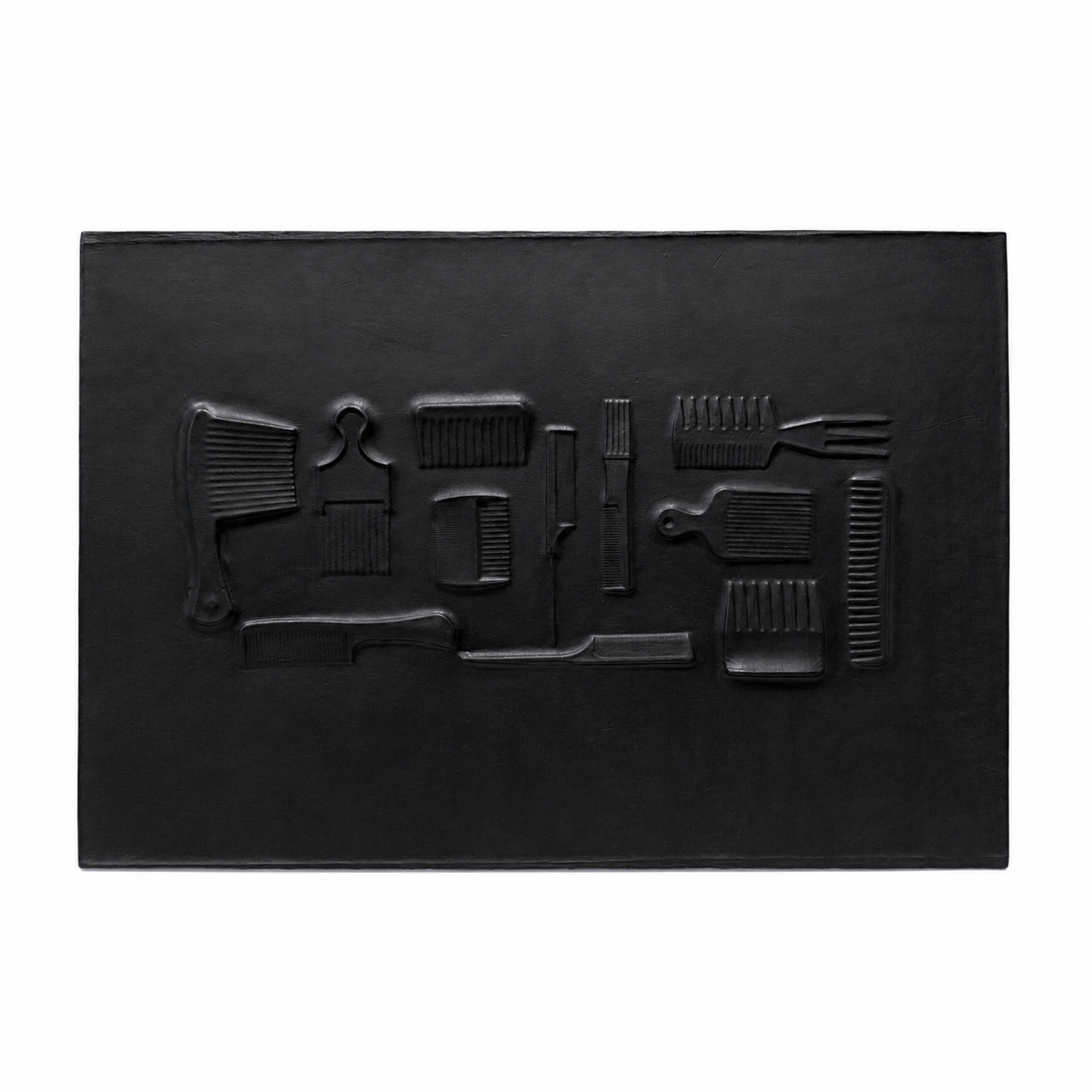
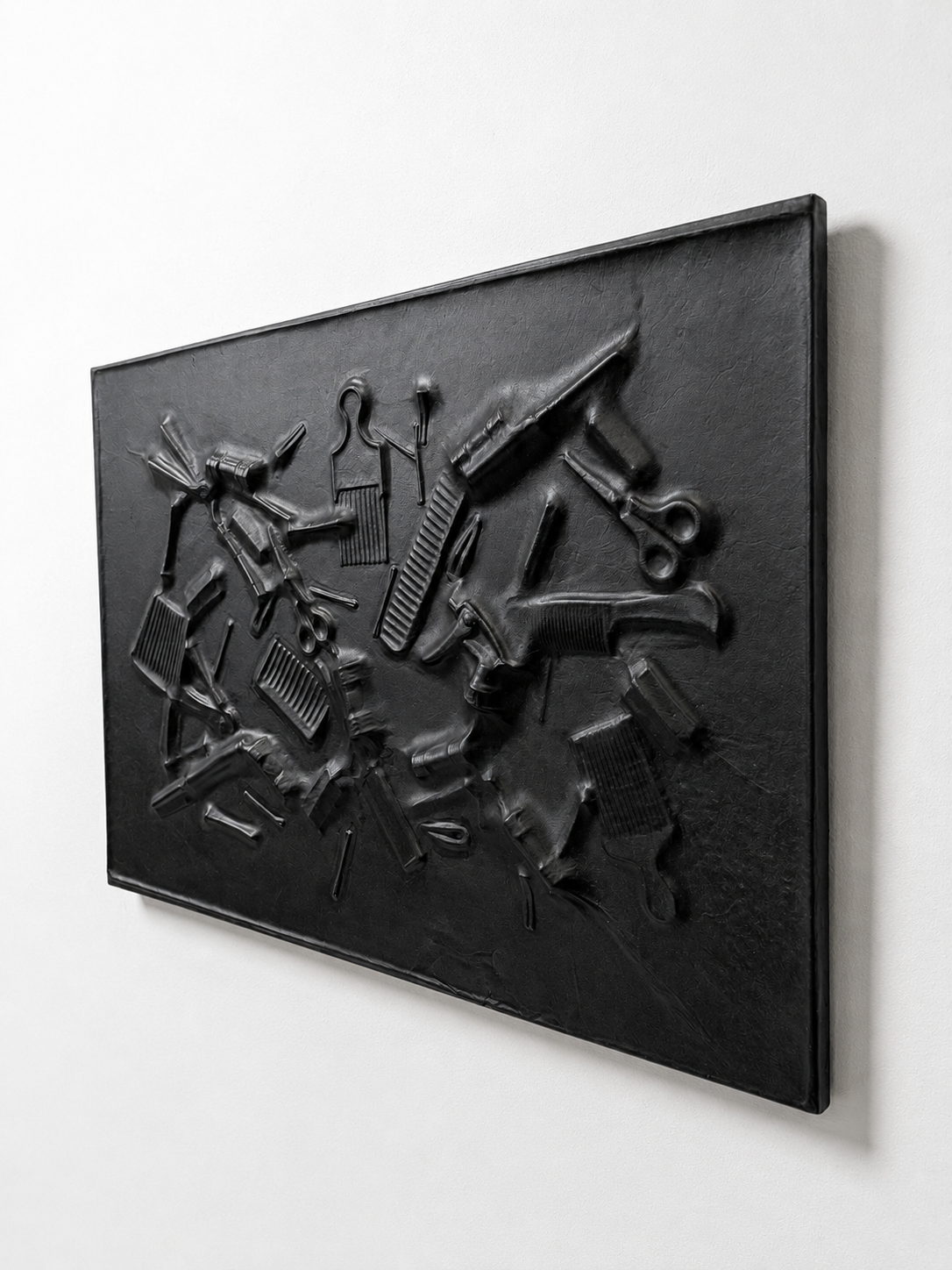
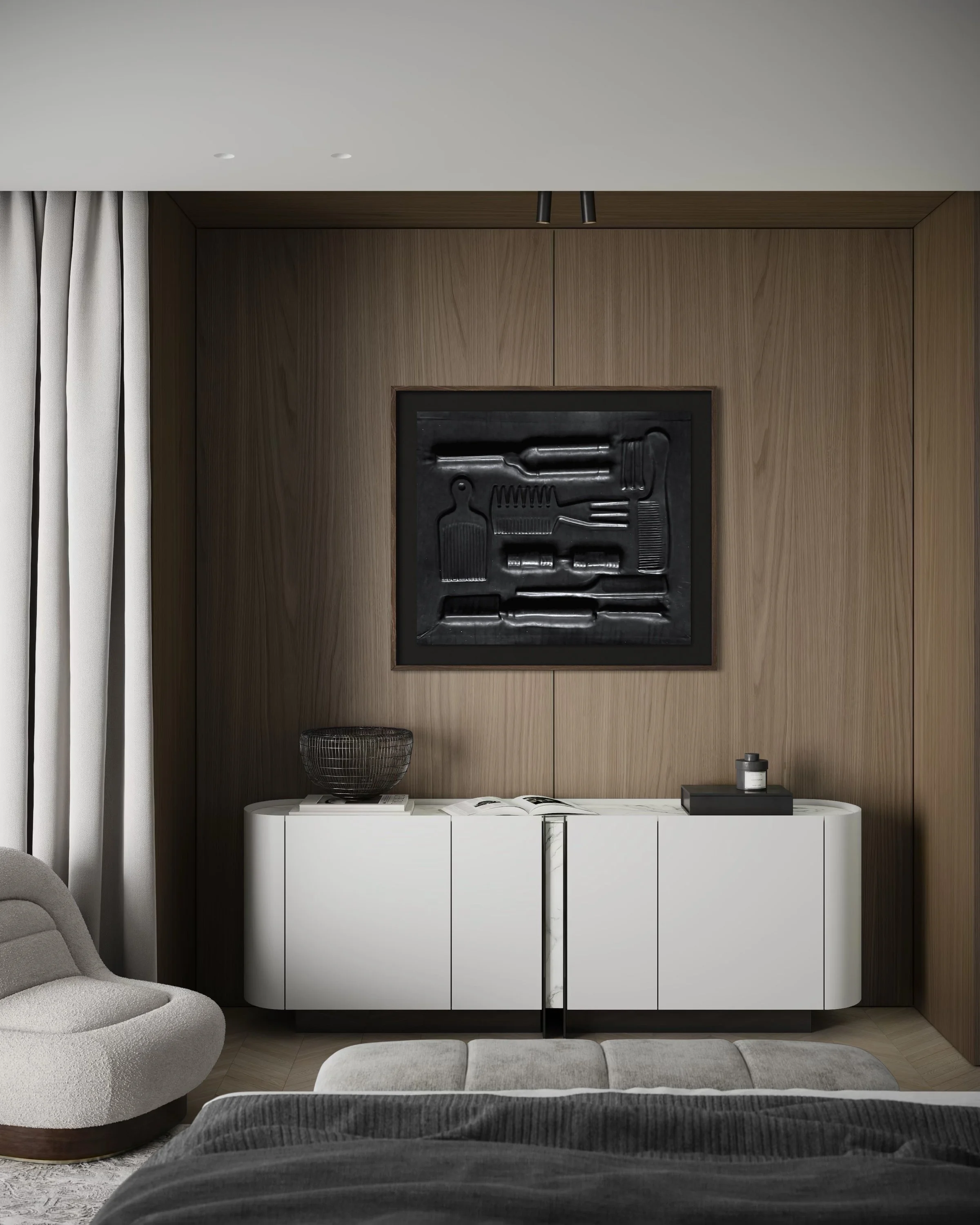
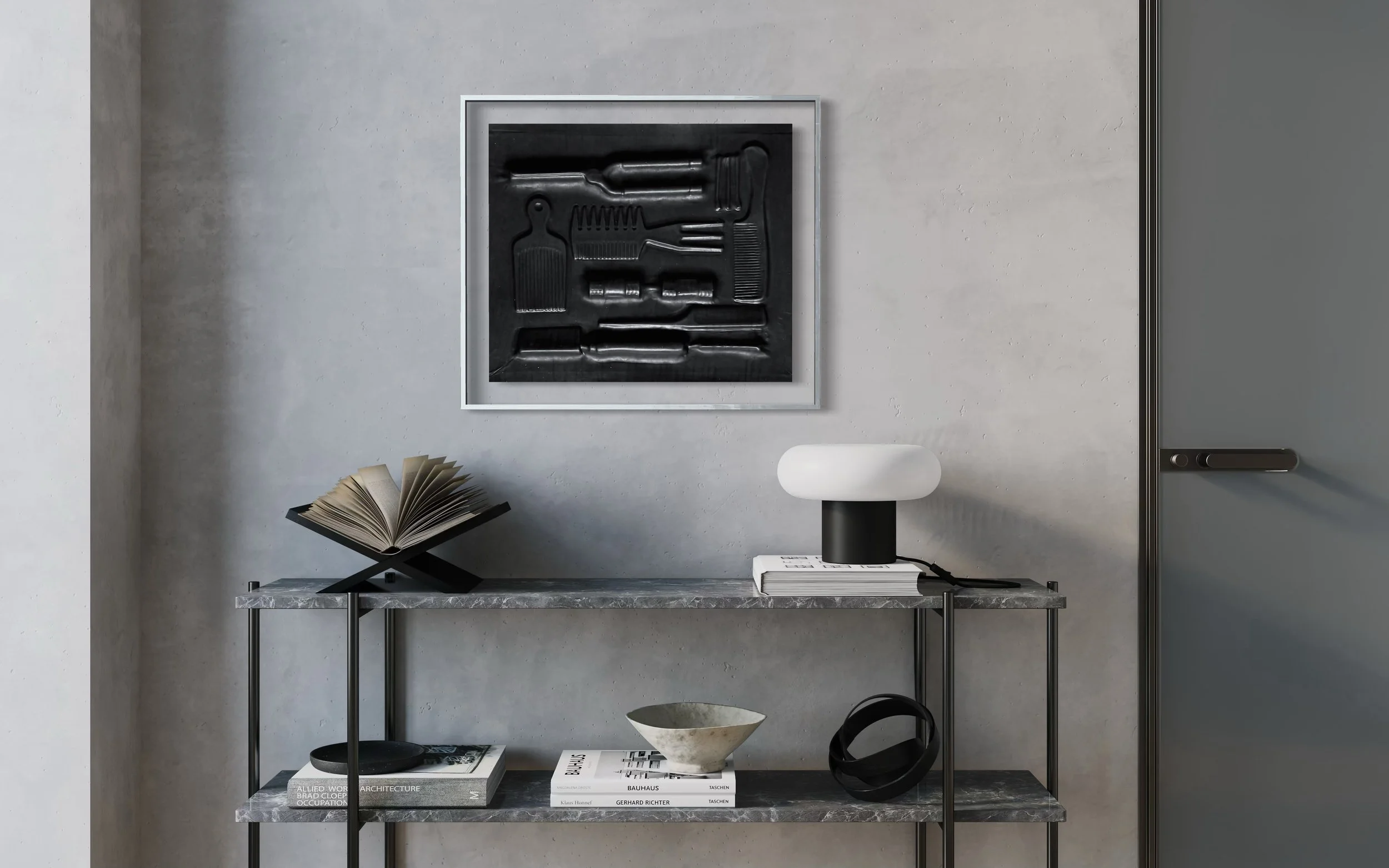
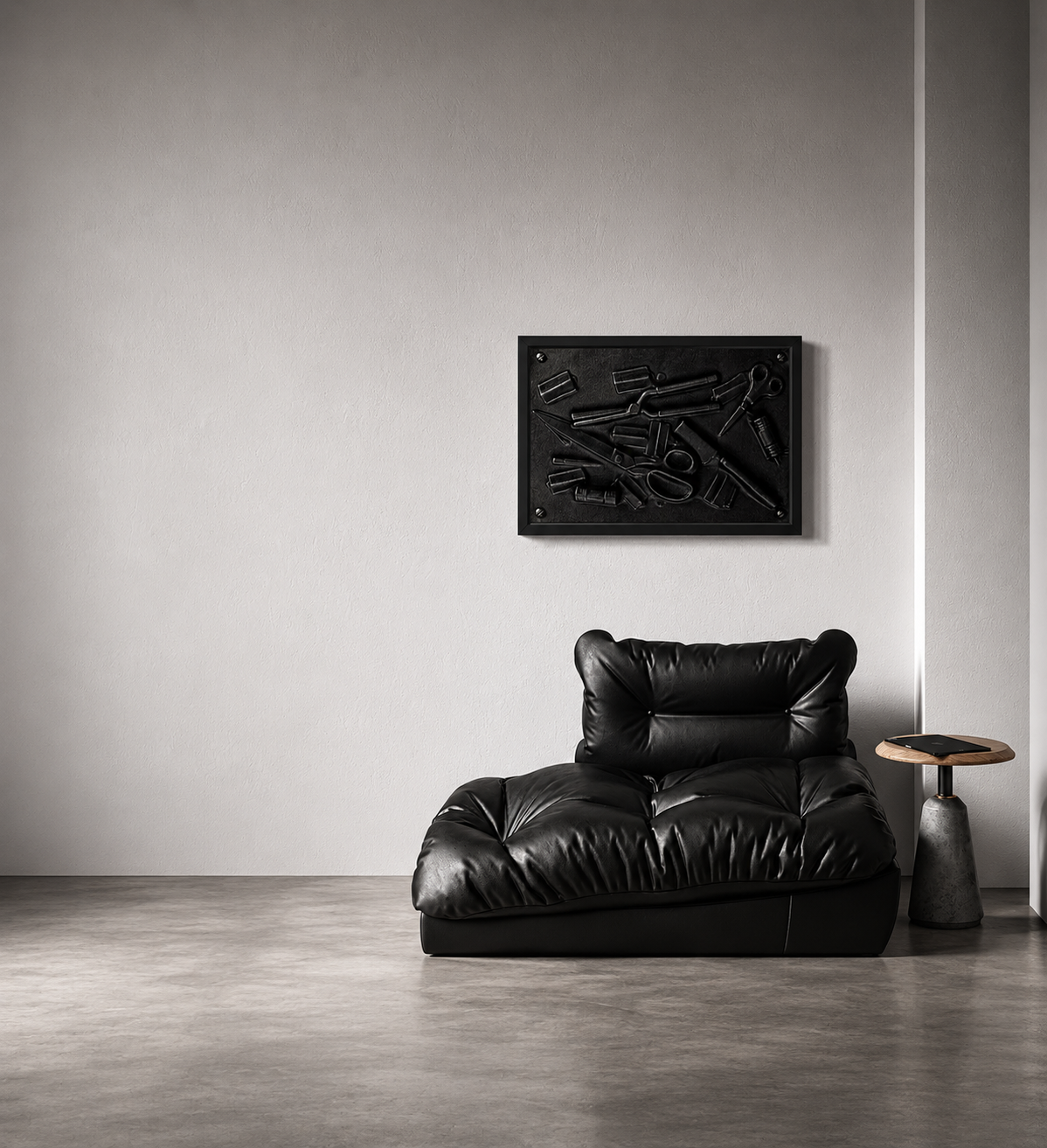
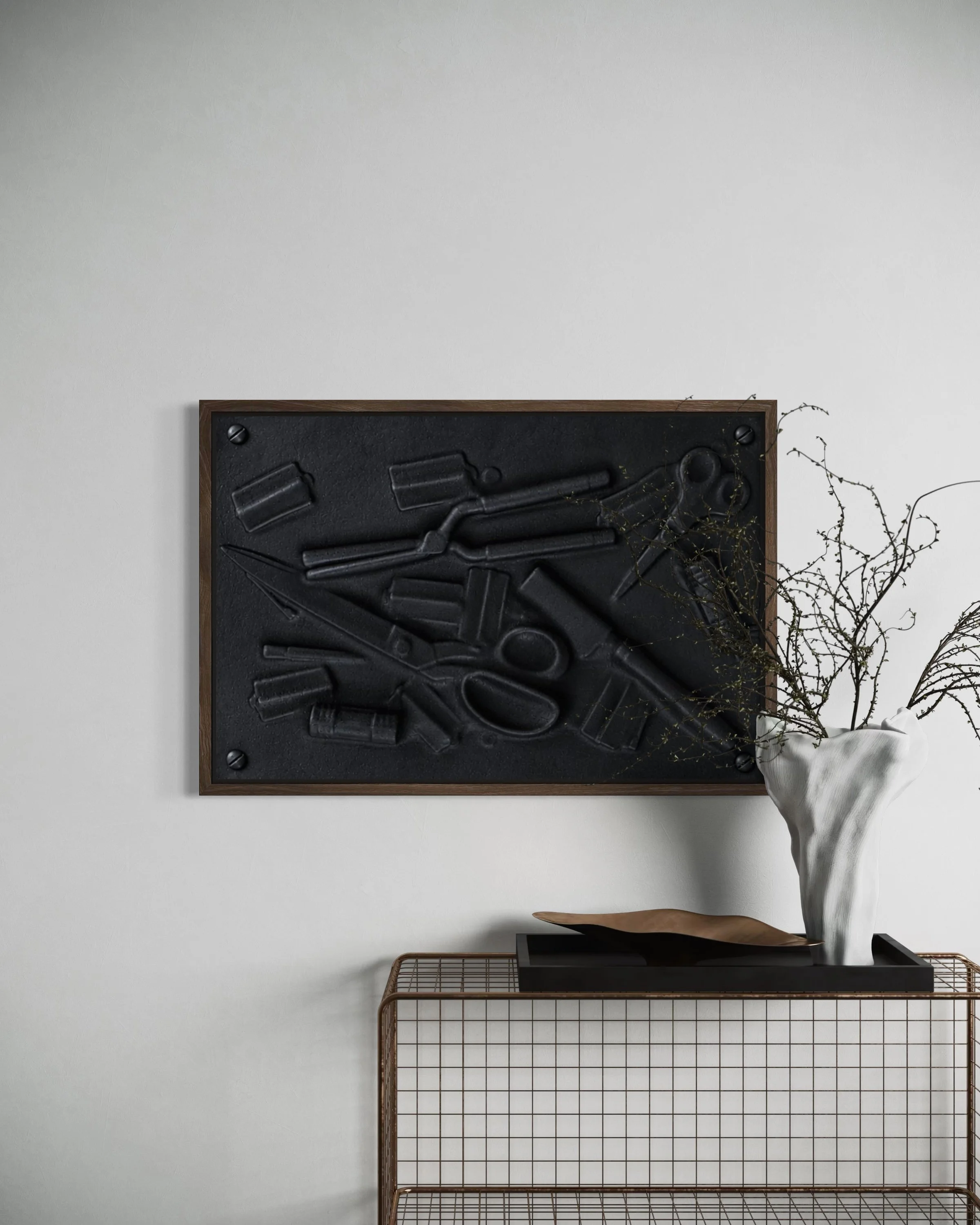
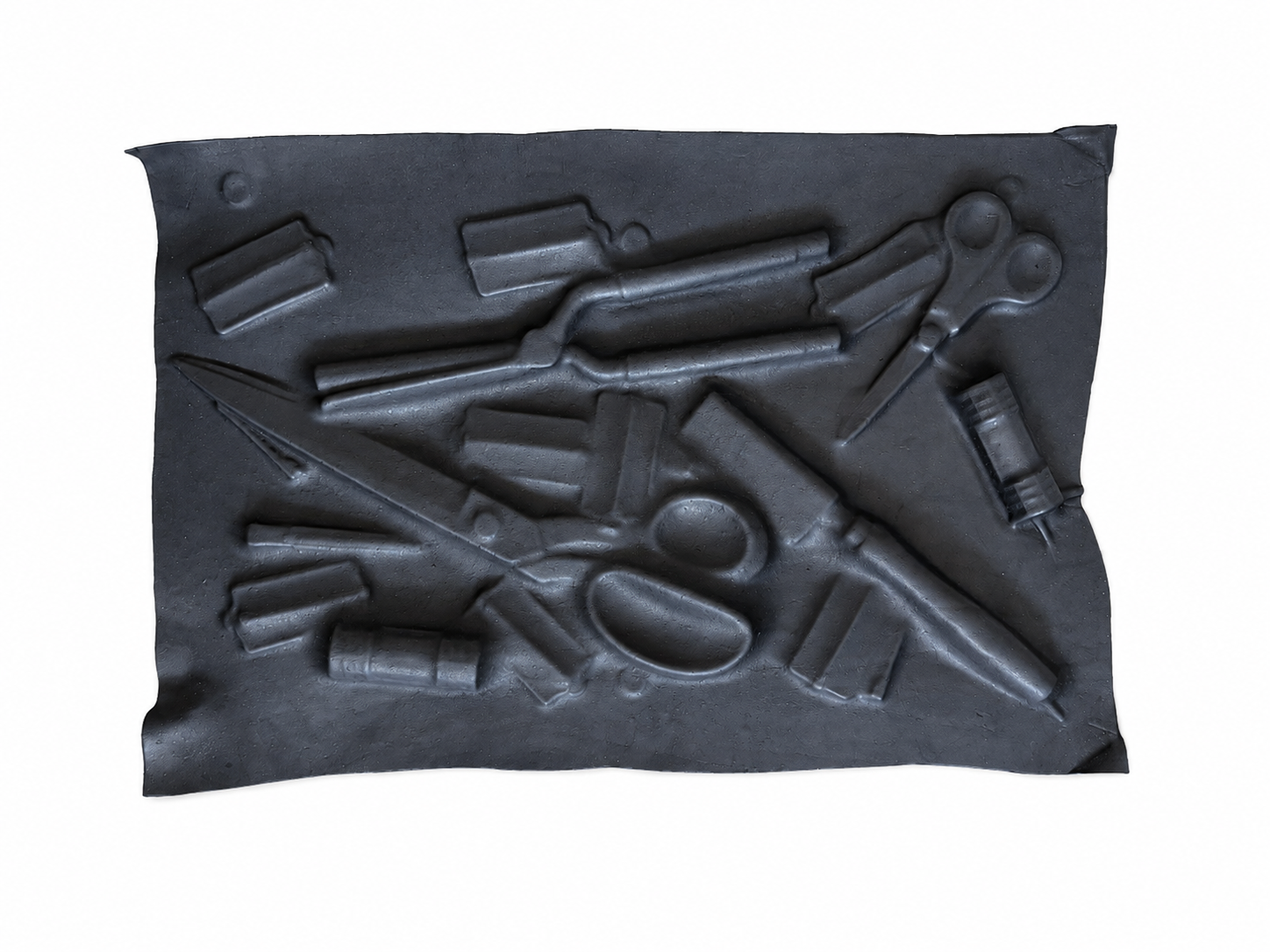
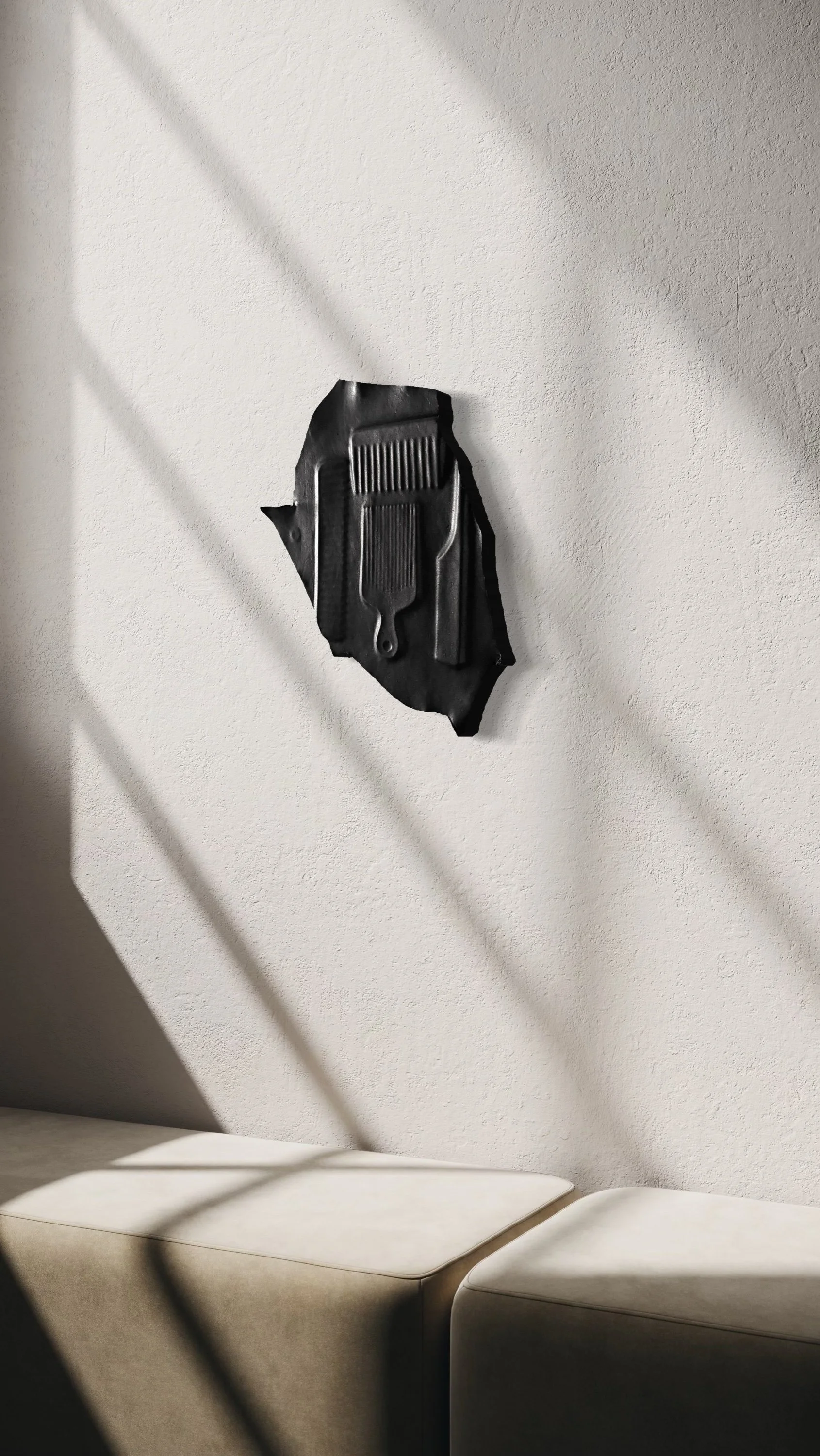
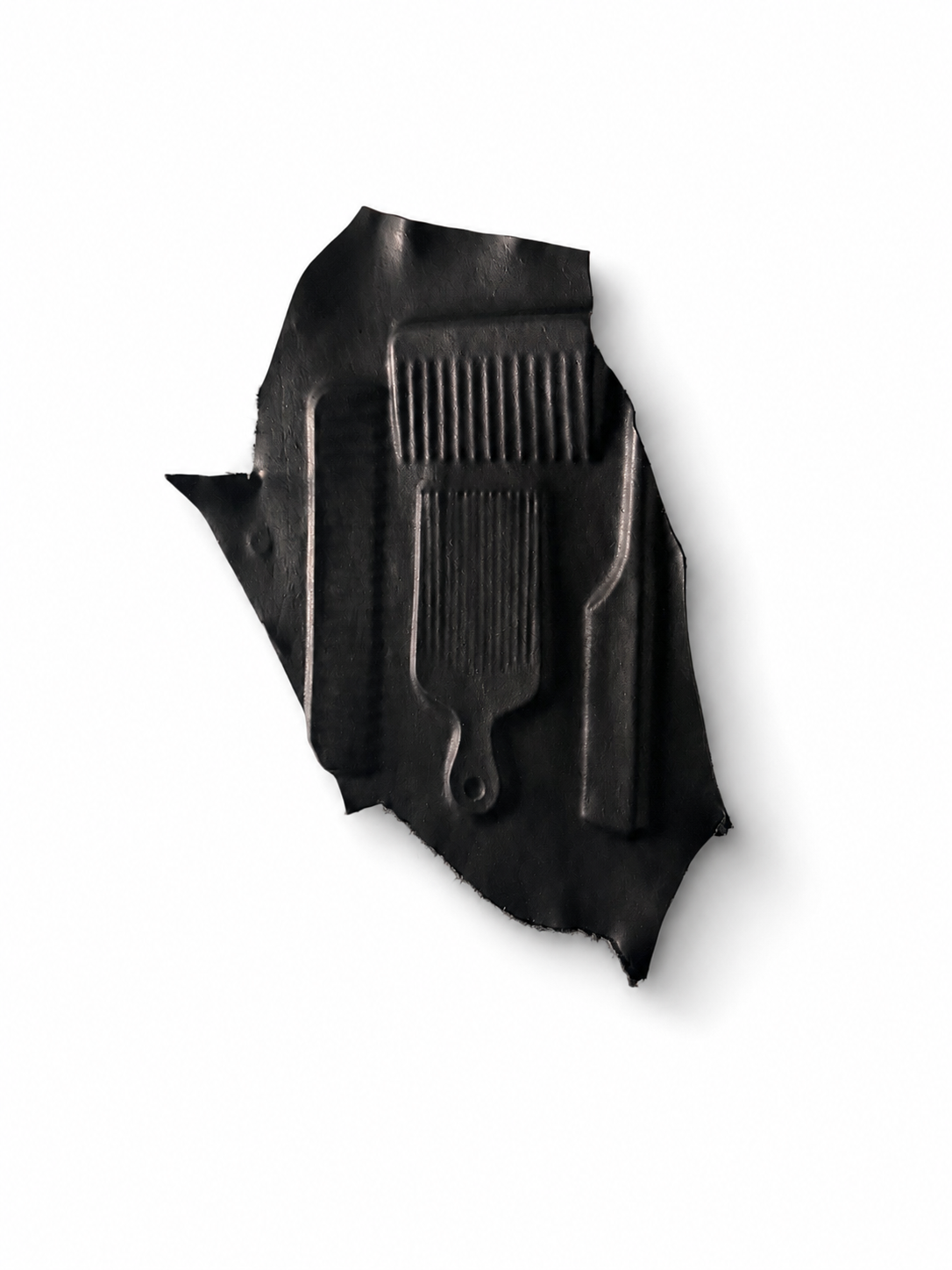
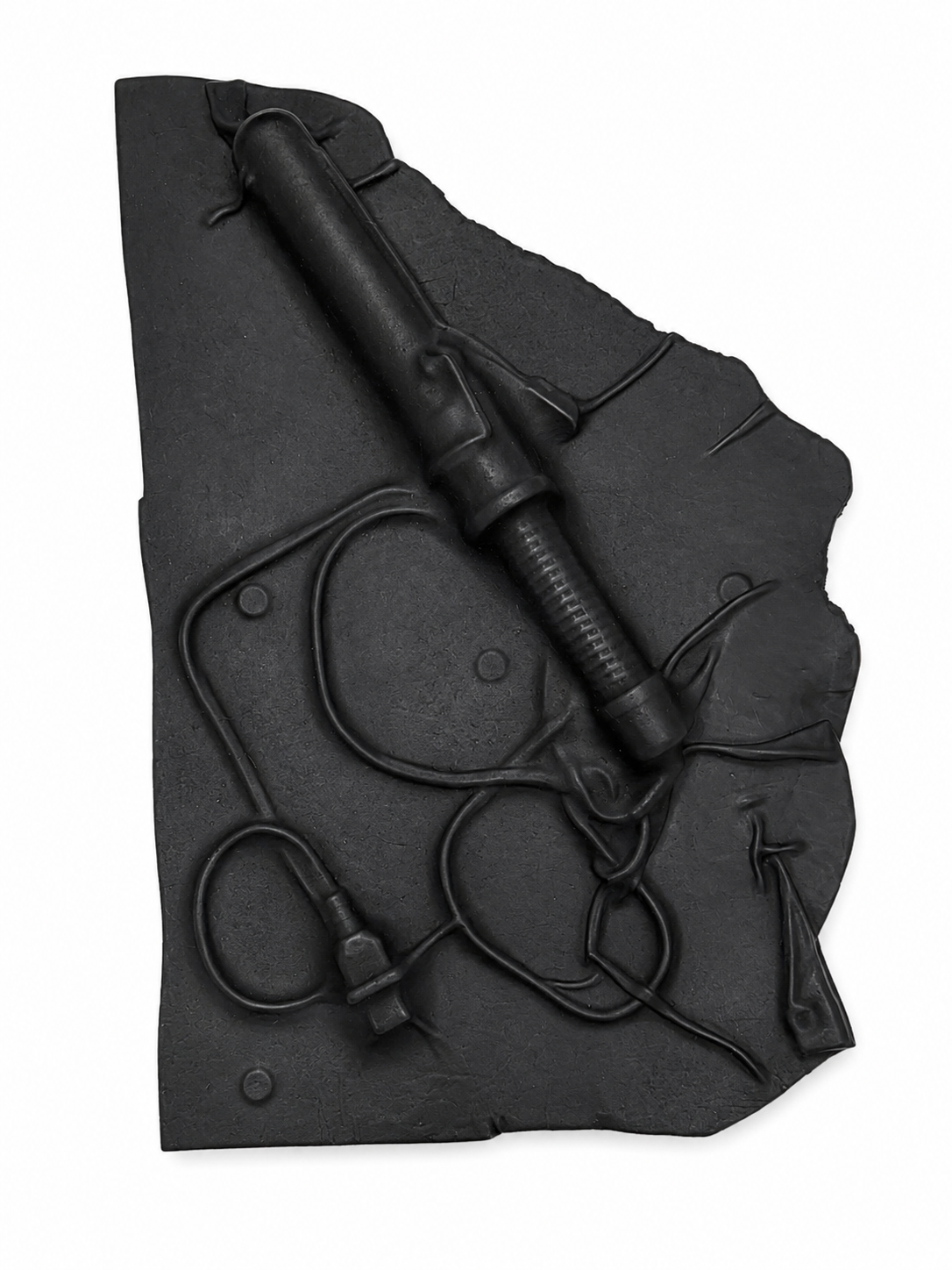
When she passed, I went into her room. I moved slowly through her things - the hot combs, the curling irons, the scissors, the greases accumulated across decades of work. Objects that had touched thousands of heads. Objects that held the shape of her hands in their handles. And then, in a drawer, her cosmetology school workbook. Sixty, maybe seventy years old. Inside: tests she had taken, passages she had underlined, her handwriting in margins, her grades on pages gone soft with age. Evidence of a younger version of her building the life I would later know her through.
There is no price on something like that.
I took the jar of grease and a bottle of her perfume - Giorgio, her favorite - back home with me. To smell when I need to remember. To smell when I need to know why I do this.
BESS exists because of her hands.
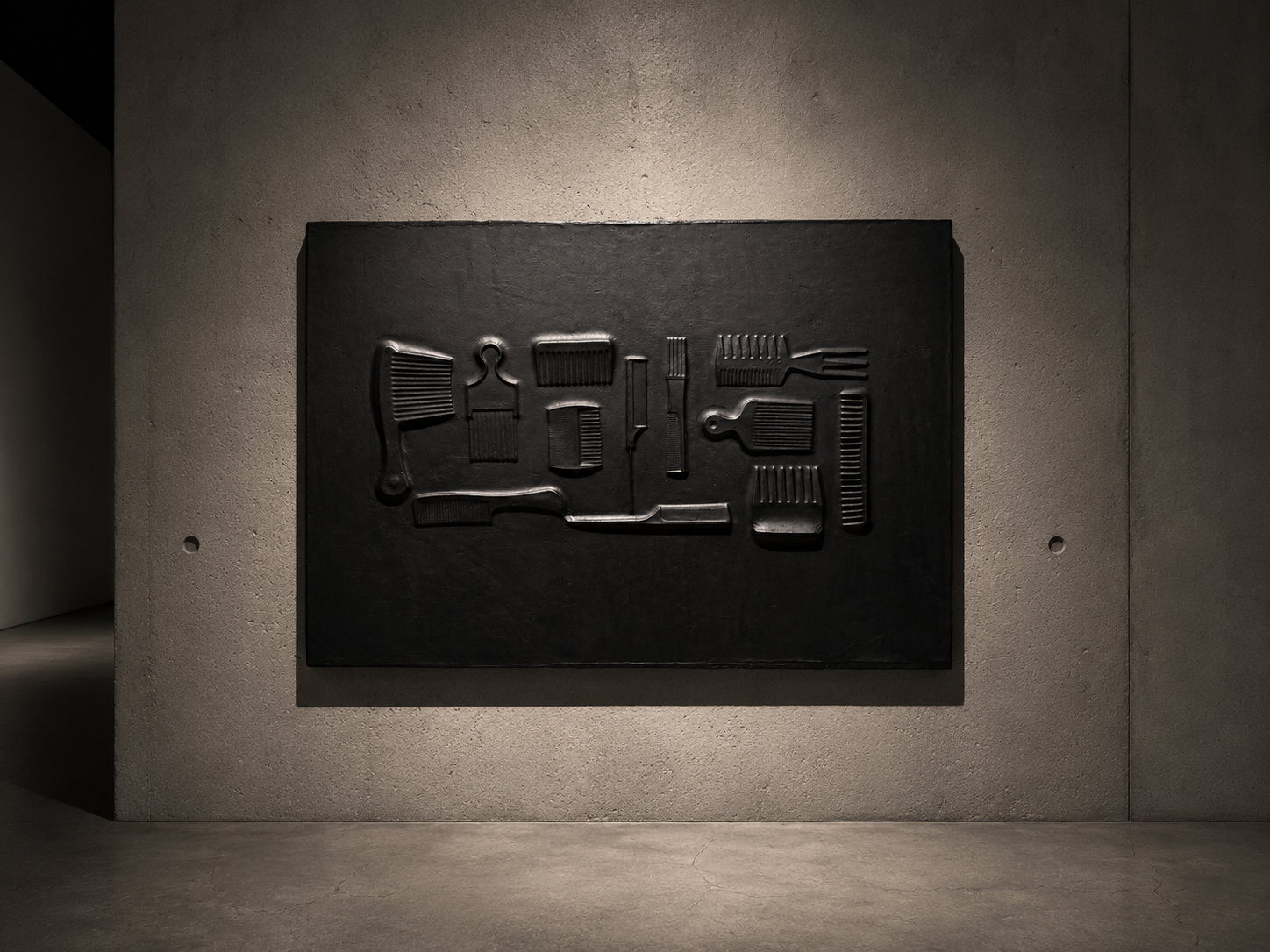
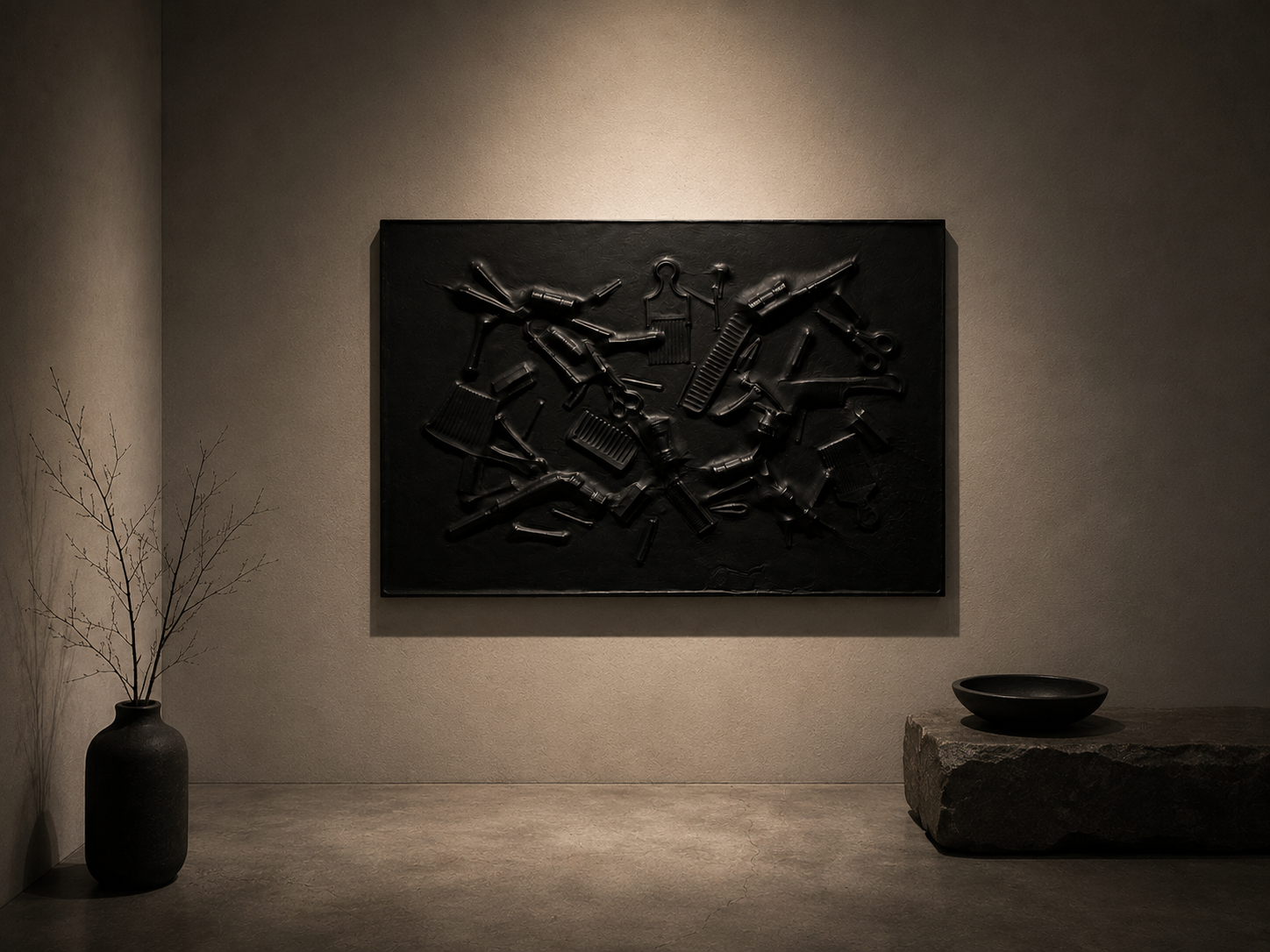
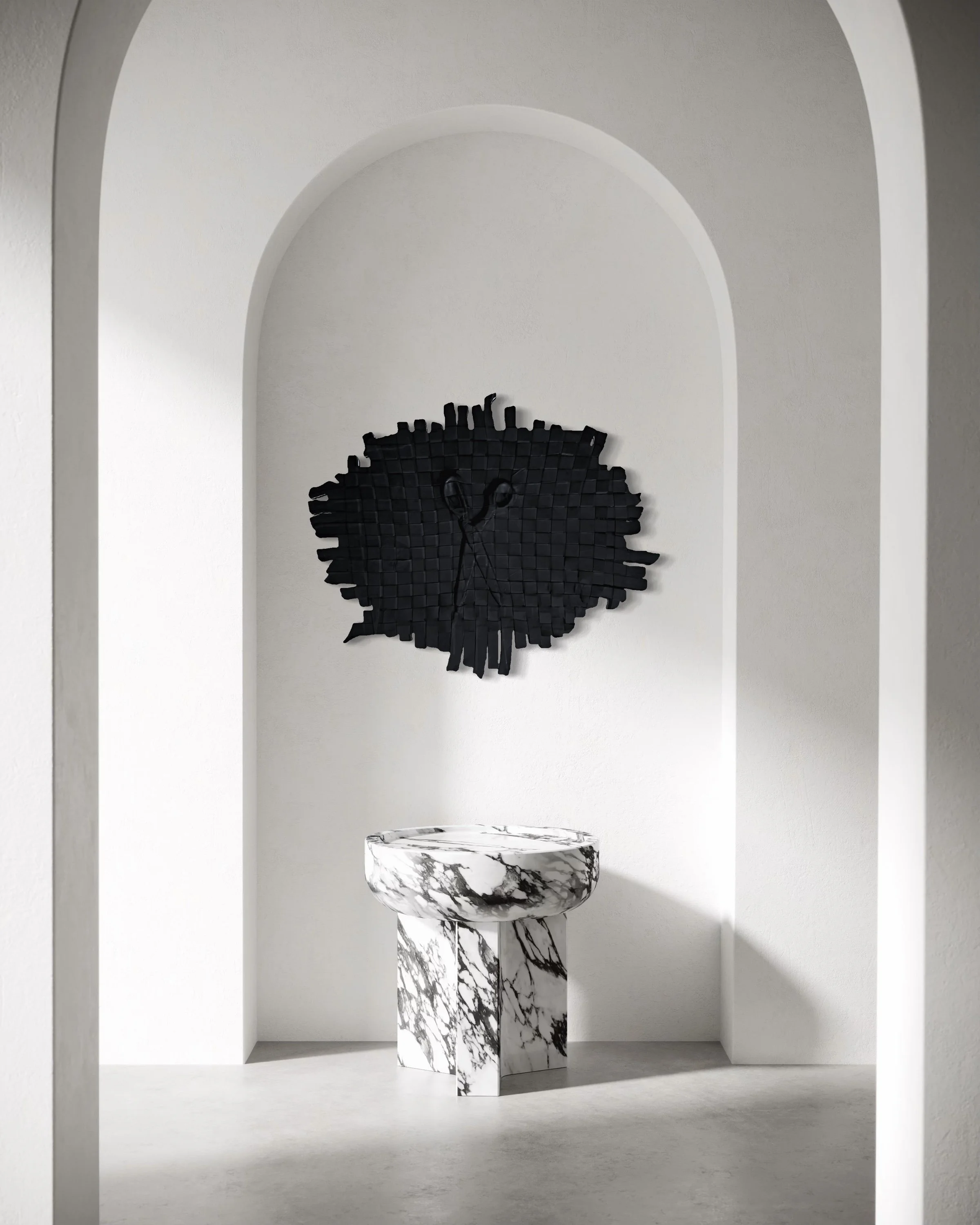
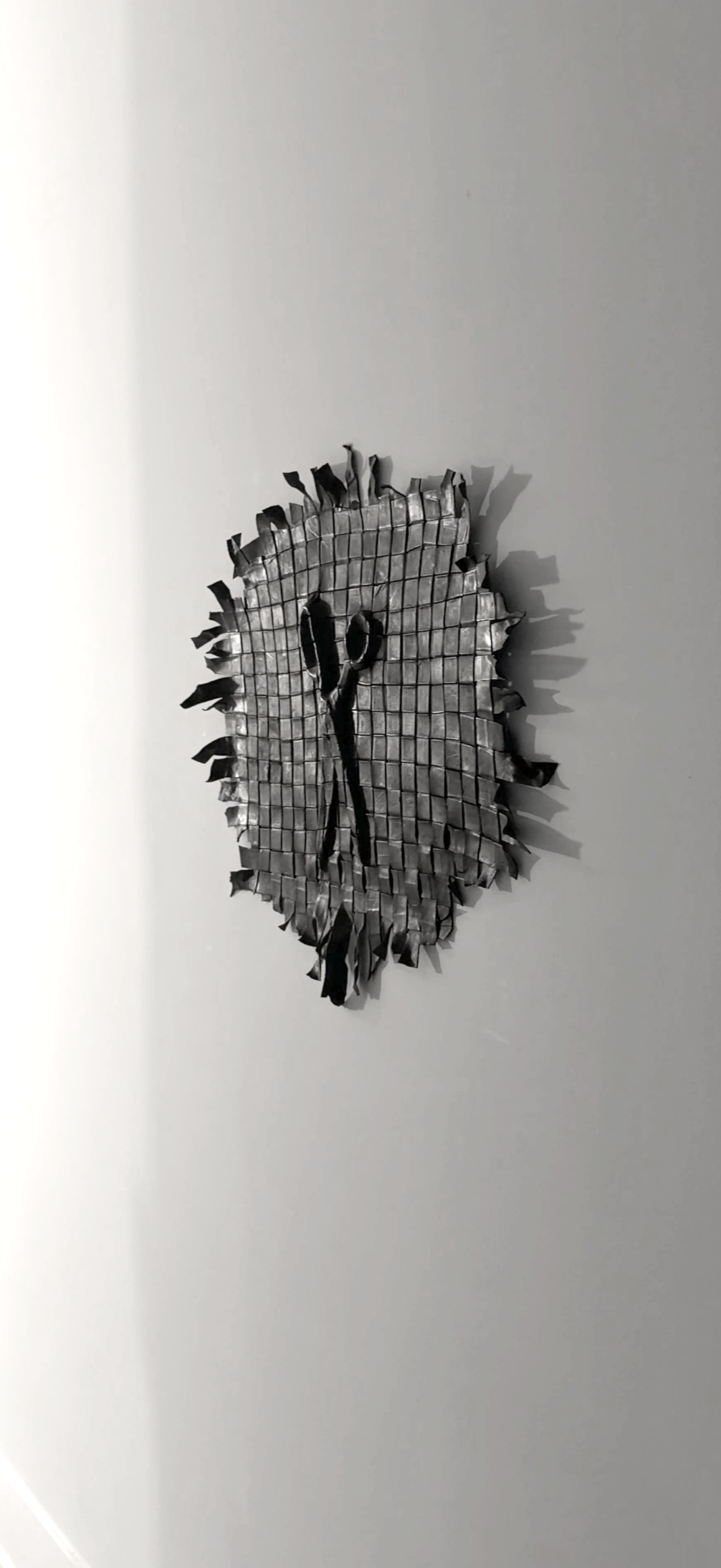
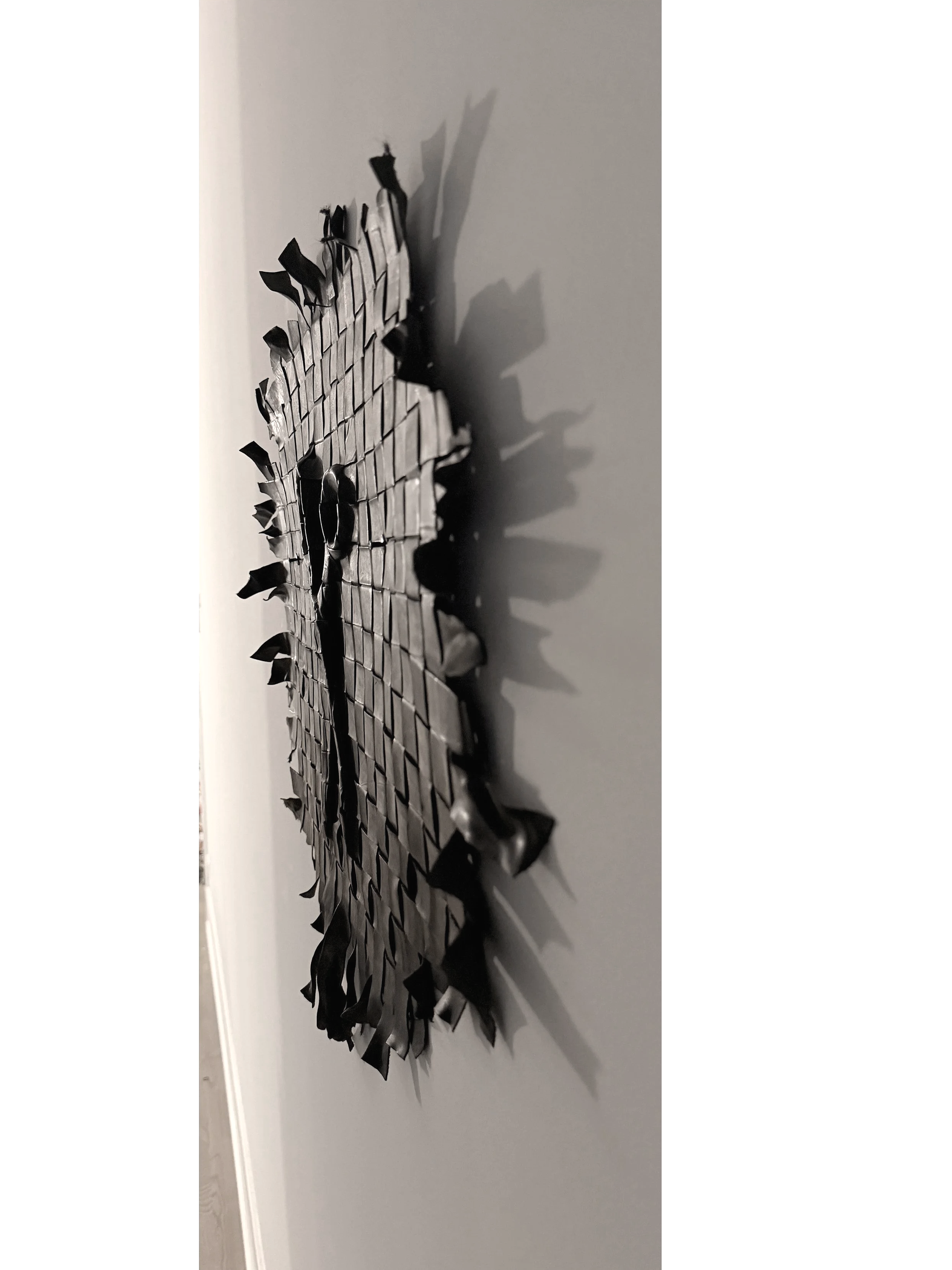
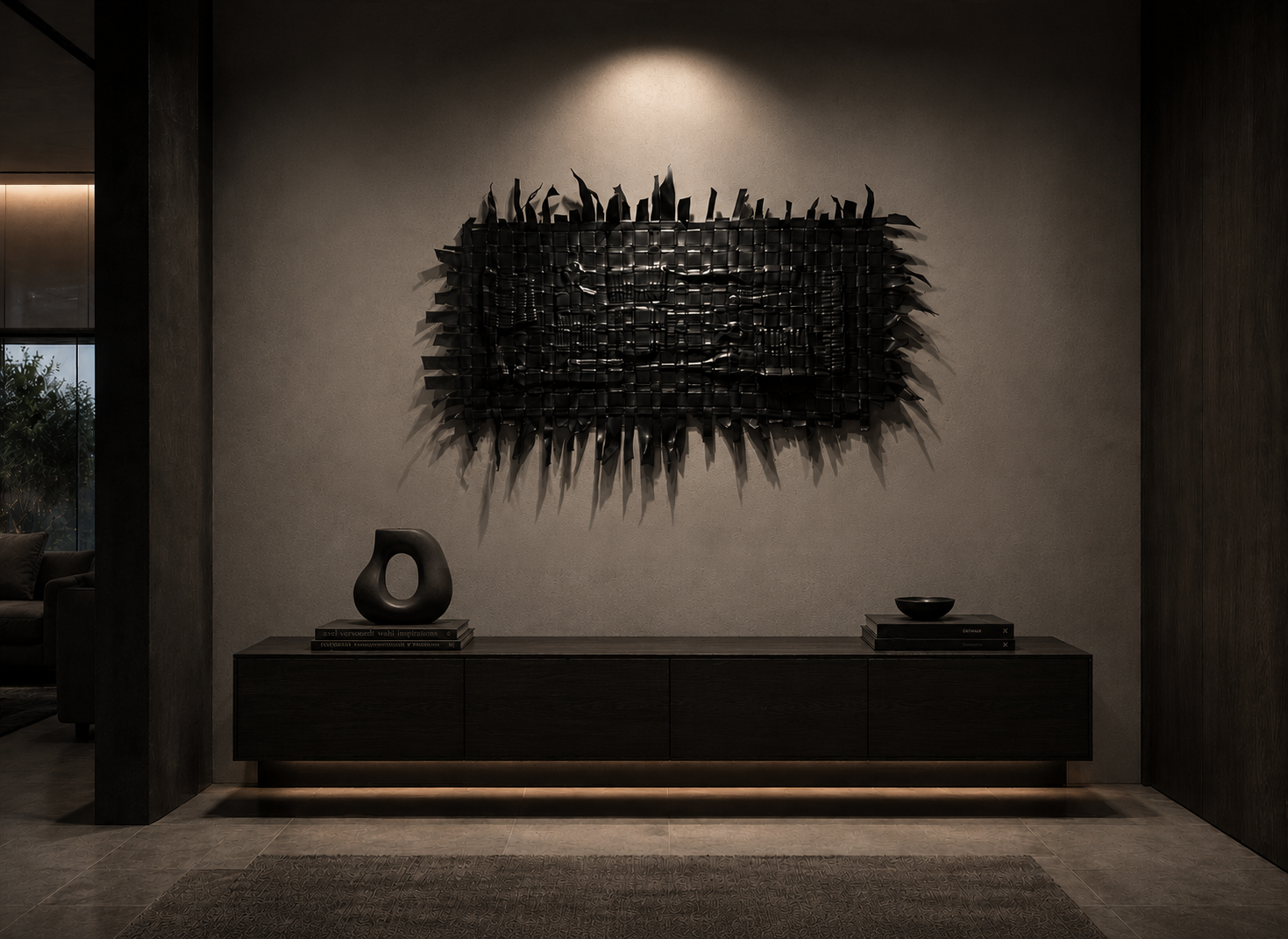
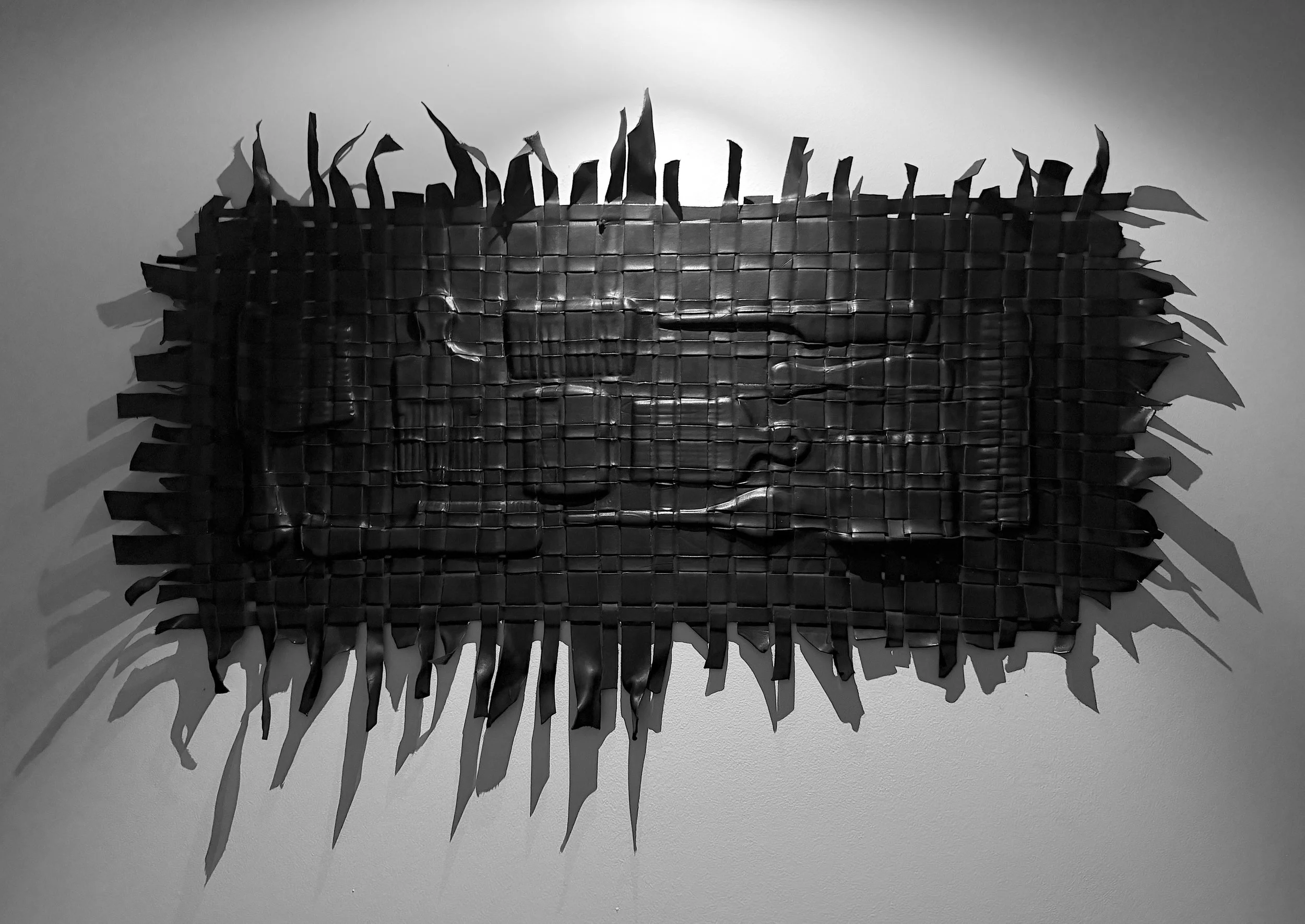
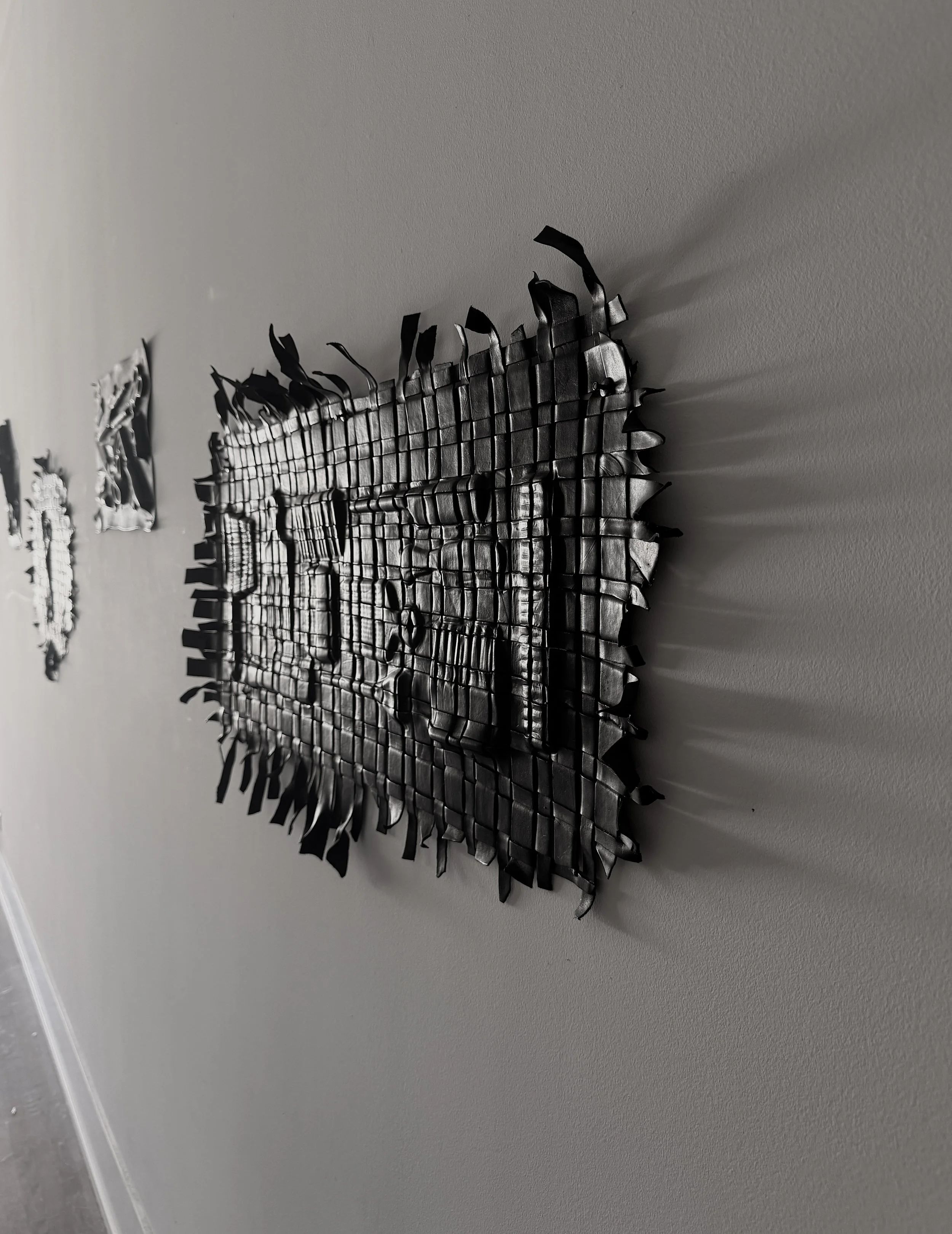
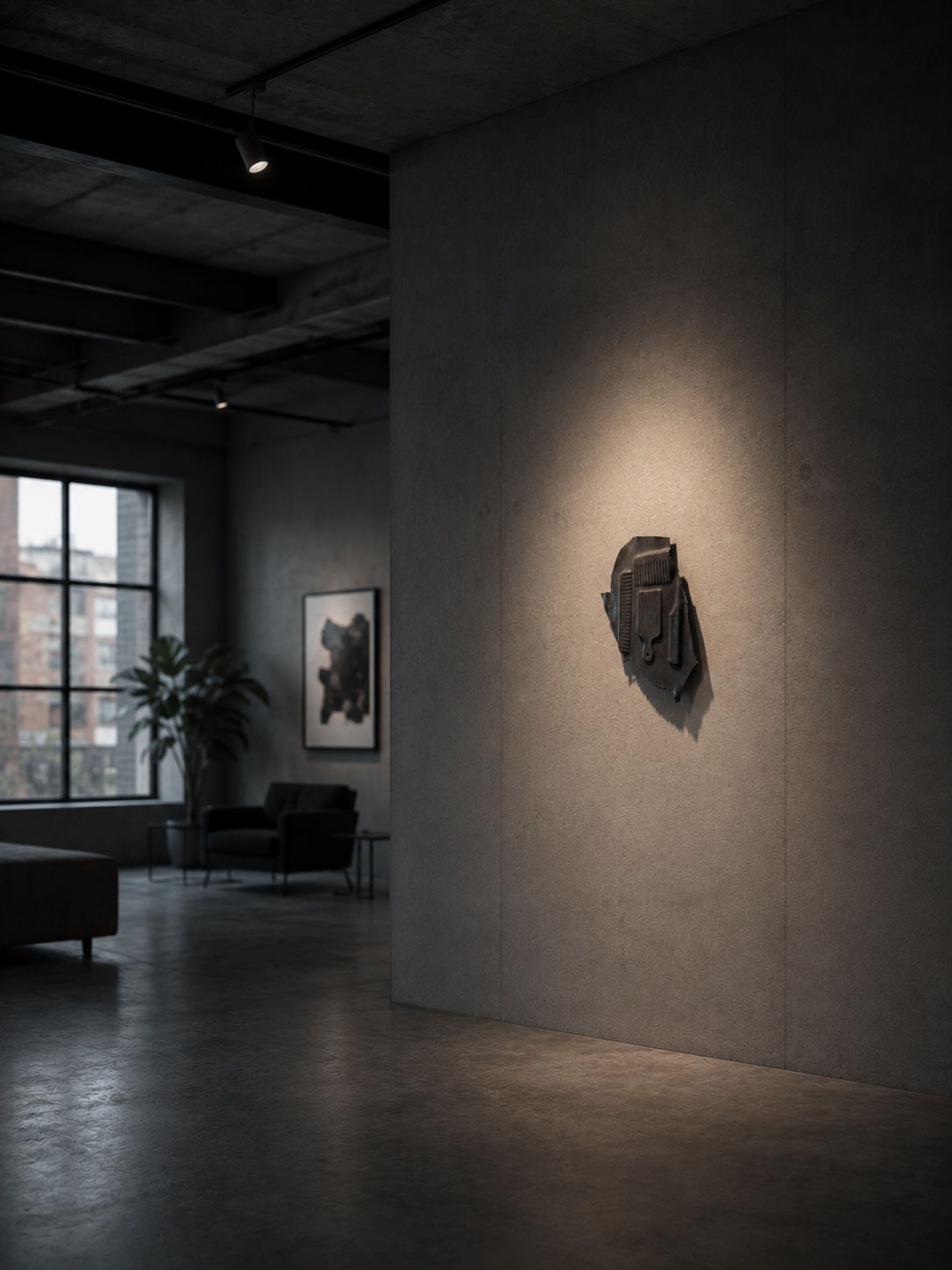
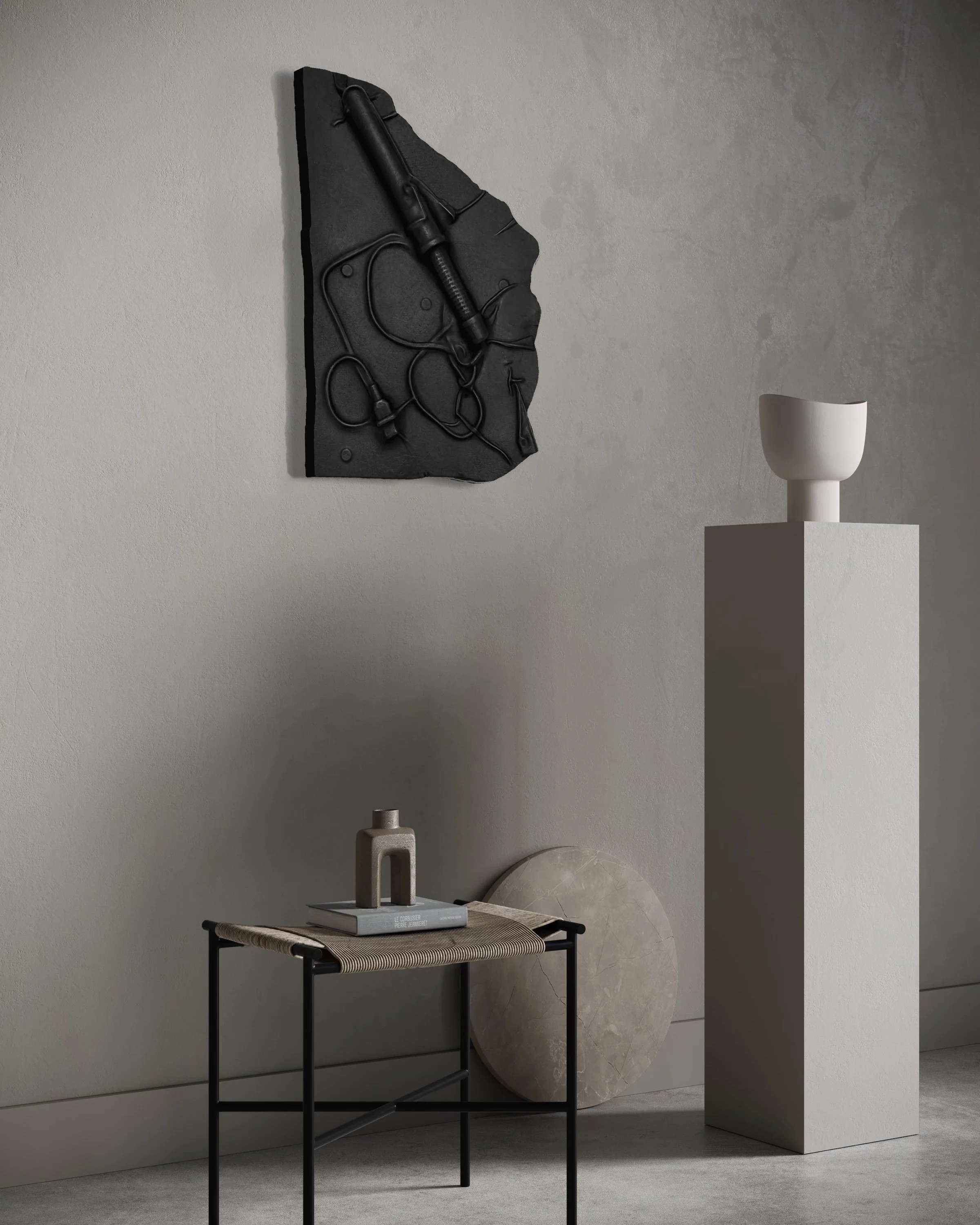
The technique at the center of this work - pressing objects into leather under heat and weight until they leave a permanent impression - is not metaphor. It is method. But it is also the most honest thing I know how to say about her: that pressure, applied with intention and love, leaves something behind that does not disappear. That what we hold against us long enough becomes part of us. That a life of labor, of care, of showing up at a station with a shopping cart when your legs are gone - that life leaves an impression too.
This work is for her.
It is for every Black woman whose hands held the tools.
It is for the grease on the back of the hand.For the burn behind the ear.For the shrine of photographs.For the workbook in the drawer.